For years, the entryway was viewed primarily as a functional component of the home, a door slab and a frame. Today, however, the front door is evolving into a crucial focal point of design and curb appeal. The first impression is everything, and dealers are increasingly recognizing that the entire entry system is the key to setting a premium tone.
To truly elevate this space beyond a standard door, look beyond the door slab itself to its often-overlooked companions: sidelites and transoms. These architectural features are add-on components that dramatically enhance a home’s curb appeal and significantly boost its value. By integrating them, you Transcend the Threshold® and entrance into a welcoming, well-lit, and statement-making threshold.
A sidelite is a vertical window panel placed immediately adjacent to the door, typically found on one or both sides. These panels serve to widen the visual presentation of the entry.
A transom, on the other hand, is a horizontal window panel positioned directly above the door (and often above the sidelites as well). This component adds height and architectural detail, drawing the eye upward.
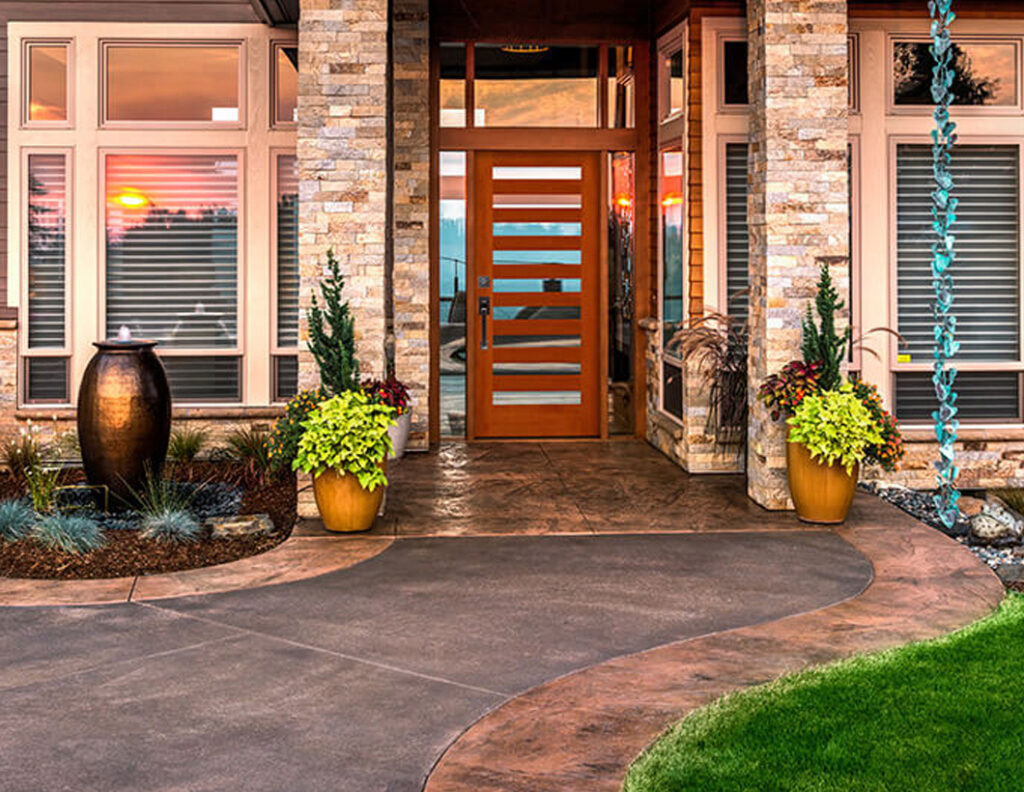
The decision to include sidelites and transoms is a strategic choice that fundamentally alters the character of your home, both inside and out. These glass components are powerful tools for creating a superior atmosphere and boosting immediate appeal.
One of the most immediate and significant benefits of these components is their ability to enhance natural light and openness. Sidelites and transoms flood the entryway with sunlight, transforming what is often a dark, confined foyer into a bright, welcoming space. This increase in light contributes to a warmer, more inviting interior ambiance, making the entire front area feel larger and more connected to the rest of the home.
The entryway is the central point where exterior character meets interior design. By expanding the visual breadth and height of the door, sidelites and transoms create a more welcoming, premium first impression for guests and prospective buyers. They lend an immediate sense of grandeur and tailored craftsmanship, instantly influencing the home’s exterior character.
Once you’ve decided to add sidelites and transoms, the next step is choosing the design that complements your architectural style and meets your privacy needs. The vast array of glass options ensures that every entry system can be fully customized.
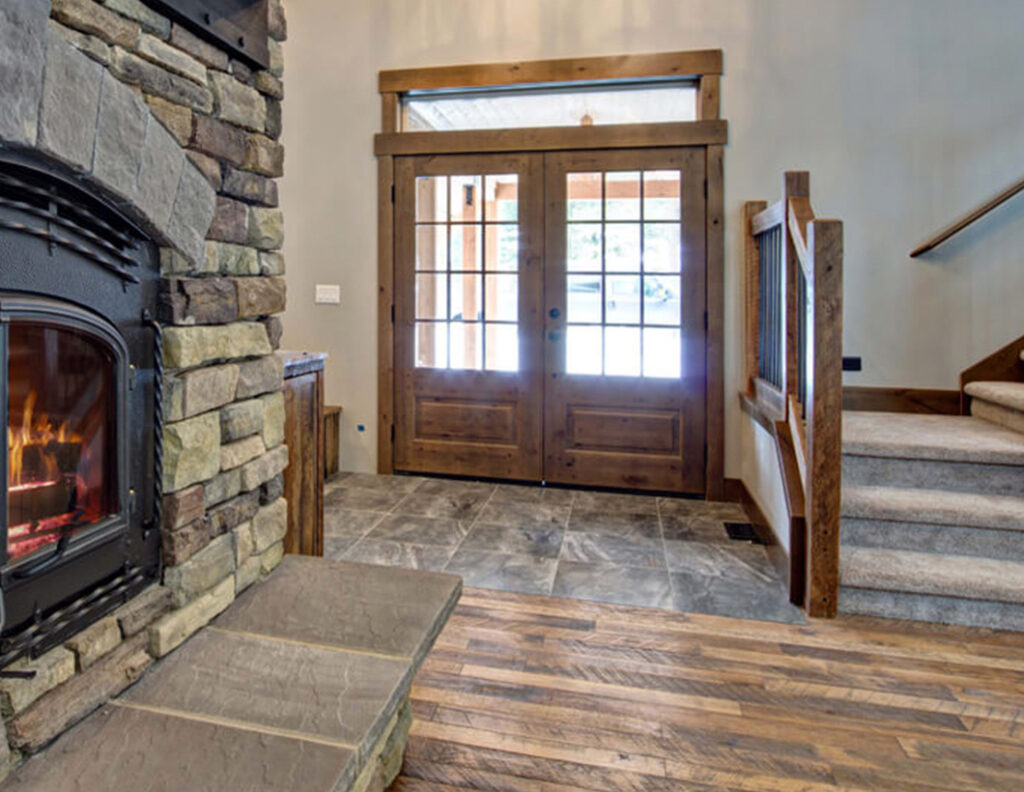
The way glass is used in sidelites and transoms dramatically impacts the final appearance:
Privacy is a top concern for any homeowner, and the type of glass you choose is key. You can select between clear glass for maximum visibility and light, or textured glass for privacy control to obscure the interior view. Choosing the right degree of opacity is essential for maximizing improved daylight without sacrificing privacy.
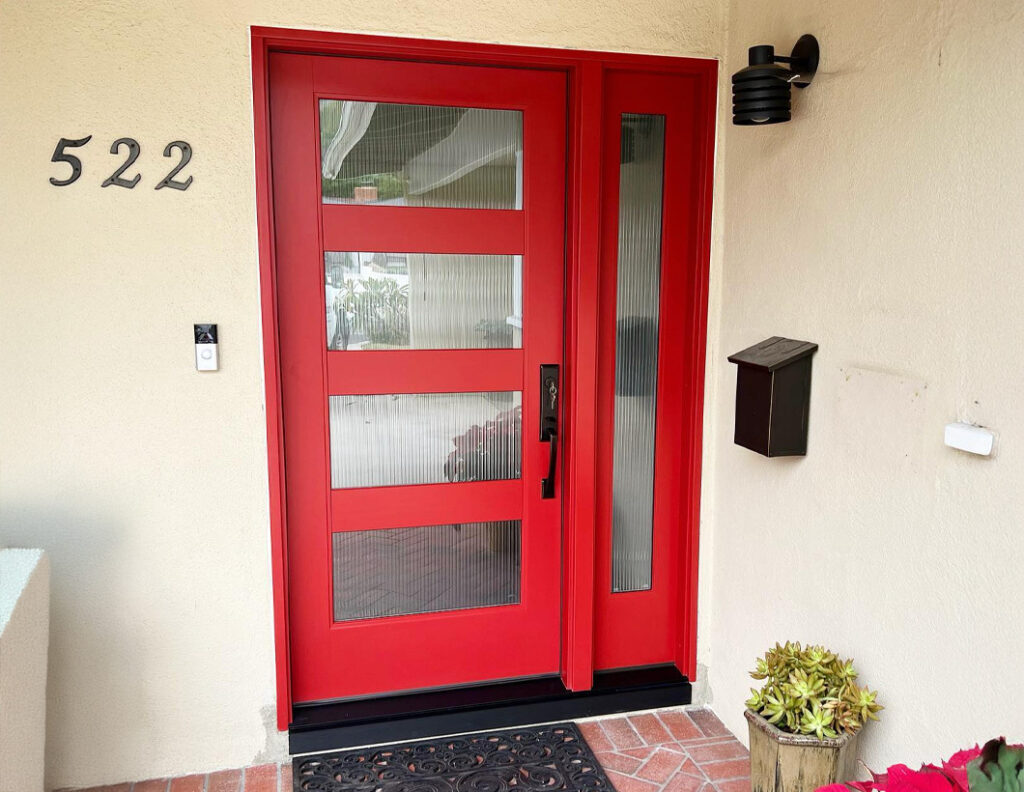
The most successful entry systems feature coordinating styles with door designs between the door slab, the sidelites, and the transom. Ensure that the caming finish, the glass texture, and the door’s paneling style all work together to create a single, unified, and high-impact look.
One of the key selling points is the ability to achieve improved daylight without sacrificing privacy. Integrating textured, frosted, or decorative glass ensures that natural light floods the foyer while maintaining visual security. This allows homeowners to enjoy bright interiors throughout the day without the “fishbowl” feeling.
In many homes, the foyer can feel dark and confined. Sidelites and transoms offer an effective solution by providing increased perceived space in smaller foyers. The expansive glass elements visually push the walls outward and upward, creating a sense of openness and grandeur that a standard door slab alone cannot achieve.
One of the greatest advantages of sidelites and transoms is their flexibility in matching a wide range of architectural styles, design preferences, and materials. The components are typically made to coordinate with the door slab, with options including fiberglass, wood, and steel, ensuring a cohesive look and lasting performance.
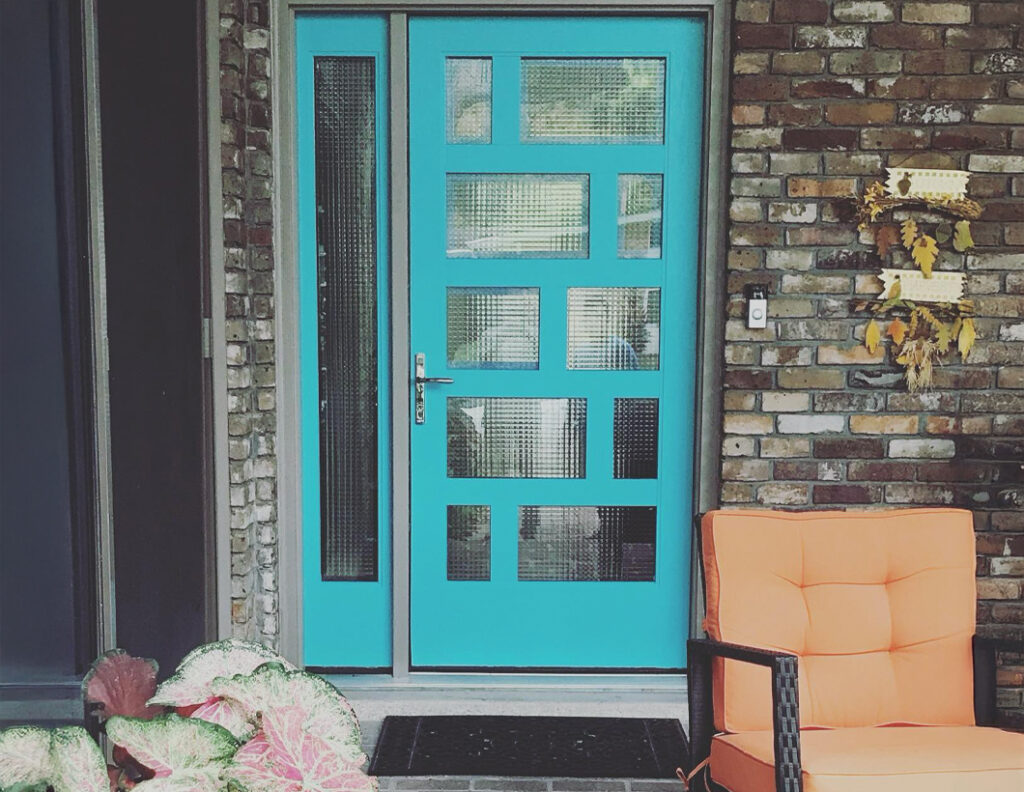
Design flexibility is maximized by the many ways these components can be configured. You can choose a single or double sidelites, full-width transoms, and even custom shapes. This wide range of options ensures there is flexibility for modern, traditional, and transitional designs, allowing builders and homeowners to achieve the desired effect for virtually any project.
Sidelites and transoms are a simple way for dealers to increase project value. As integrated components, they are easy to add to any order without complicating installation, boosting ticket prices with minimal effort. Offering these options helps dealers provide a personalized, high-end look that satisfies clients and encourages repeat business.
The door slab may be the centerpiece, but sidelites and transoms are the architectural components that truly transform a standard entry into a striking statement. These elements go far beyond mere aesthetics—they enhance natural light, create a premium first impression, and offer the functional benefits of increased perceived space and customizable privacy.
This is how sidelites and transoms transform a standard entry into a statement. For both homeowners seeking to elevate their curb appeal and builders looking for a high value upsell, integrating these features is a smart design and business strategy.
Ready to explore the configurations available for your next project? Reach out to your local dealer today to discuss how sidelites and transoms from Boise Cascade Millwork can make your next entry system truly memorable. Find your dealer today!
Sidelites and transoms add natural light, architectural interest, and visual scale to an entryway, enhancing curb appeal and interior ambiance.
No. Textured, frosted, or decorative glass options allow increased daylight while maintaining privacy and visual security.
Yes. They are commonly available in fiberglass, wood, and steel to match the door slab and overall entry system.
Absolutely. Multiple glass styles, configurations, and shapes allow compatibility with modern, traditional, and transitional designs.
They increase project value, enhance customer satisfaction, and are easy to integrate without complicating installation.