Choosing an entry door can quickly become overwhelming. A customer may begin with a color or style in mind, then realize there are decisions to make about material, glass, configuration, finish, hardware, security, energy efficiency, maintenance, and budget. For dealers, the goal is not to present every possible option at once. It is to help customers identify which entry door features matter most for the way they live and the home they are improving.
When explaining how to choose a front door, start with priorities before products. A practical exterior door guide should help narrow the field step by step, so the final choice reflects the customer’s style, performance needs, and budget. Boise Cascade Millwork offers a broad range of exterior door options, giving dealers flexibility to guide customers toward a solution that fits the project rather than forcing the project to fit a specific door.
Before comparing materials or designs, understand the role the door will play. Is it the home’s primary entrance, a less frequently used side entry or an opening that connects an interior space to a patio? How often will the door be used, and who will use it most often? Children, pets, frequent guests, and everyday traffic can all change what matters in the final selection.
Exposure matters, too. A door that receives hours of direct sun or regular wind and rain may have different finish and maintenance needs than one protected by a deep porch. Asking about the opening, the home, and the customer’s routine gives the dealer useful context before discussing specific materials, glass, or performance features.
Most customers care about several things at once, but not every factor carries the same weight. Ask them to identify two or three must-haves. Common priorities include curb appeal, security, energy efficiency, natural light, privacy, low maintenance, durability, and budget.
That short ranking can make the rest of the conversation much easier. A customer who puts natural light and curb appeal first may make different choices than someone focused on privacy and low maintenance. Once the priorities are clear, each decision can be evaluated against them.
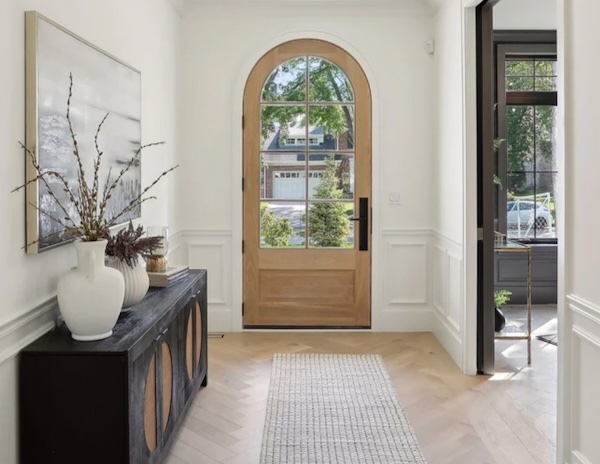
Front door materials influence appearance, maintenance, durability and performance. Wood can provide authentic character and extensive design flexibility. Fiberglass is a versatile option that can combine low-maintenance performance with a range of smooth or wood-look finishes. Steel can be a practical choice for customers who value strength and affordability.
Rather than treating one material as the universal best choice, match the material to the customer’s priorities and the conditions around the opening.
Construction details can also affect long-term satisfaction. Depending on the project, customers may care about insulation, resistance to weather exposure, dimensional stability, or maintenance requirements. These are useful performance questions to address before moving on to purely visual choices.
The right entry door style should feel intentional with the architecture of the home. Traditional, Craftsman, modern, and transitional designs each use different proportions, panel layouts, glass patterns, and details. A customer may be drawn to a door on its own, but the better question is how that door will look as part of the full exterior. Dealers can help customers compare panel design, glass placement, and overall scale against siding, trim, windows, and architectural lines.
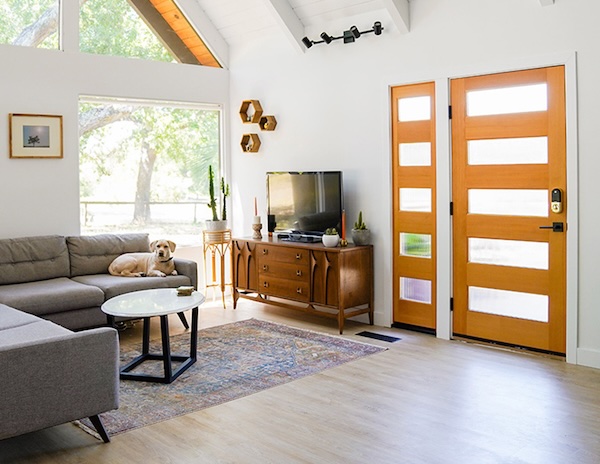
The door slab is only one part of the entry. Depending on the size of the opening and the look the customer wants, a single door may be paired with one or two sidelites, a transom or both. Larger openings may also accommodate double doors.
Configuration changes both appearance and function. Sidelites can bring more daylight into the entry, a transom can add height, and visual impact and double doors can create a wider opening for entertaining or moving large items. The available wall space, opening dimensions, and desired amount of natural light should all be considered. For inspiration, explore how sidelites and transoms can create a statement entryway.
For customers considering front doors with windows, the conversation should go beyond whether they want glass. Full-lite, 3/4 lite, half-lite, and smaller glass configurations can create very different balances of daylight, privacy, and style.
Start with the customer’s comfort level. A large clear lite can brighten an interior and open the view, while textured, obscure, or decorative glass can allow light in with greater privacy. Also consider what can be seen from both sides of the door. The view from the street matters, but so does the experience from inside the home.
Finish is one of the most visible decisions in the process. Paint can introduce anything from a quiet neutral to a bold focal point, while stained finishes can emphasize the warmth and character of a wood or wood-look surface. The best choice should complement siding, trim, roofing, and other exterior materials without requiring every element to match exactly.
Sun exposure and weather conditions should be part of the finish conversation because they can affect long-term appearance and maintenance. Boise Cascade Millwork offers door finish options including PrismaGuard® Premium Finish and the Boise Cascade Symphony Collection®, giving customers a wide range of paint and stain possibilities.
Hardware can reinforce the design of the entry while also addressing security and everyday function. Handlesets, deadbolts, electronic locks, and other door hardware options should be considered as part of the complete system rather than as an afterthought.
This is also a good time to revisit budget. Material, glass, finish, hardware, configuration, and customization can all influence the overall cost. Help customers separate must-have features from upgrades. If the customer has already identified the two or three priorities that matter most, it becomes easier to decide where added investment will make the biggest difference.
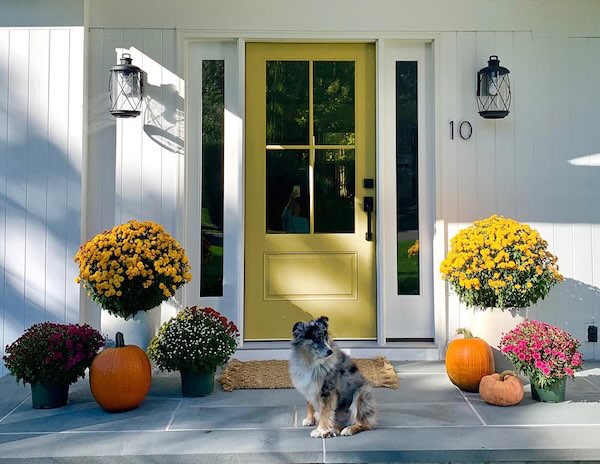
Two homes with similar architecture can still call for very different doors because the people living in them have different needs. Lifestyle questions help turn a product comparison into a more useful recommendation.
These details do not replace the practical considerations of size, material or performance. They help dealers understand which of those practical choices will matter most after the door is installed.
There is no single best entry door for every homeowner. The right choice is the one that balances the customer’s priorities across style, performance, lifestyle, and budget. By starting with how the door will be used, narrowing the must-have entry door features and then working through material, style, configuration, glass, finish, and hardware, dealers can make a complicated decision feel much more manageable.
Boise Cascade Millwork gives dealers access to a wide range of door systems, finishes and supporting products from trusted manufacturers. When you are ready to help a customer move from possibilities to a confident selection, contact Boise Cascade Millwork to connect with the team and Transcend the Threshold® of ordinary expectations.
Start with how much light and privacy they want. Full-lite, 3/4 lite, half-lite and smaller glass styles each balance daylight, privacy, and design differently. Clear glass opens the view and brightens the entry. Textured, obscure, or decorative glass softens what can be seen from outside. The right choice depends on where the door faces and how the customer uses the space.
Glass type matters more than glass size. Textured, obscure, and decorative glass let natural light in while blurring the view from the street. Customers who want even more privacy can choose a smaller lite or place the glass higher on the door. Help them picture the door from both sides, because what visitors see matters as much as the light inside.
Sidelites (also spelled “sidelights”) and a transom work well when the opening has room to spare and the customer wants more daylight or a grander entry. Sidelites add width and light on one or both sides of the door, and a transom adds height above it. Check the opening’s dimensions, the wall space and the home’s architecture before recommending the full configuration.
Double entry doors suit homes with wide openings, a formal or dramatic style, or a need to move large items through the entry. Customers who entertain often may like the wider opening. In smaller openings, a single door with sidelites often gives a similar sense of scale with less hardware and wall space. Match the configuration to the opening and how the household lives.