When it comes to selecting entry doors, homeowners often consider more than just appearance. Climate, architectural style, and performance requirements all play a role in determining which door styles are most popular in different parts of the country.
From impact-resistant fiberglass entry doors along the coast to traditional entry doors paired with storm doors in colder regions, local conditions influence the choices homeowners make. Understanding these regional trends can help builders, dealers, and homeowners identify door styles that balance curb appeal, durability, and long-term performance.
The United States features a wide range of climates and architectural traditions. What works well for a home in Florida may not be the best fit for a home in Minnesota or Massachusetts.
Regional preferences often develop because homeowners want entry doors that:
As a result, certain styles, materials, and features tend to become more popular in specific areas of the country.
Today’s homeowners rarely choose a door based solely on appearance. Regional trends often reflect a combination of aesthetic preferences and practical needs.
Features such as decorative glass, impact-rated construction, storm door compatibility, and energy-efficient materials frequently influence purchasing decisions. As manufacturers continue to expand design options, homeowners can find entry doors that meet both style and performance expectations.
In the Southeast, homeowners often prioritize natural light, curb appeal, and protection from severe weather. Coastal regions face hurricanes and tropical storms, making durability an important consideration.
Several features stand out in Southeastern markets:
Fiberglass entry doors are especially popular because they offer the appearance of wood while resisting moisture, humidity, and temperature fluctuations common throughout the region.
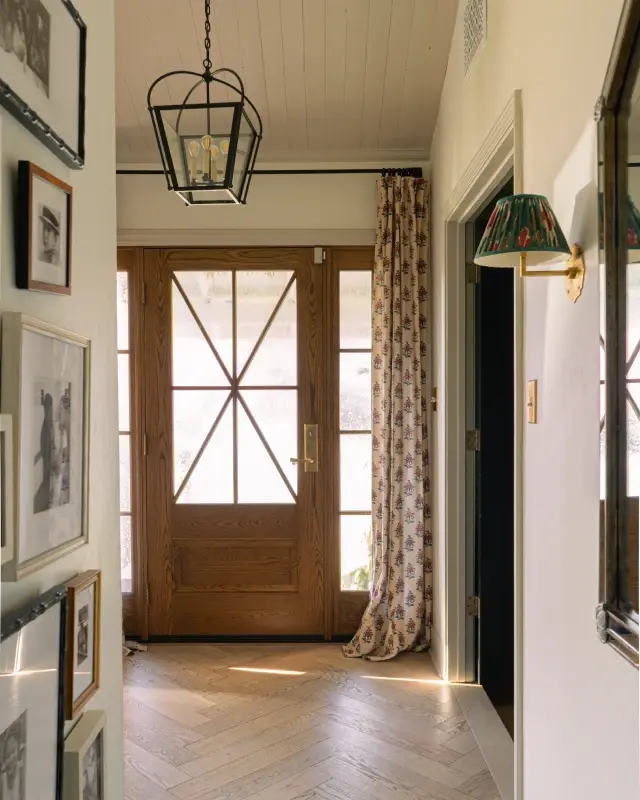
Midwestern homeowners experience everything from hot summers to freezing winters. Durability and energy efficiency often drive purchasing decisions, while architectural styles tend to favor classic designs.
Some of the most common choices include:
Craftsman entry doors continue to be a favorite throughout the Midwest due to their clean lines, rectangular glass patterns, and ability to complement bungalow, farmhouse, and traditional home styles.
Traditional entry doors also remain popular because they provide timeless curb appeal and pair well with many established neighborhoods throughout the region.
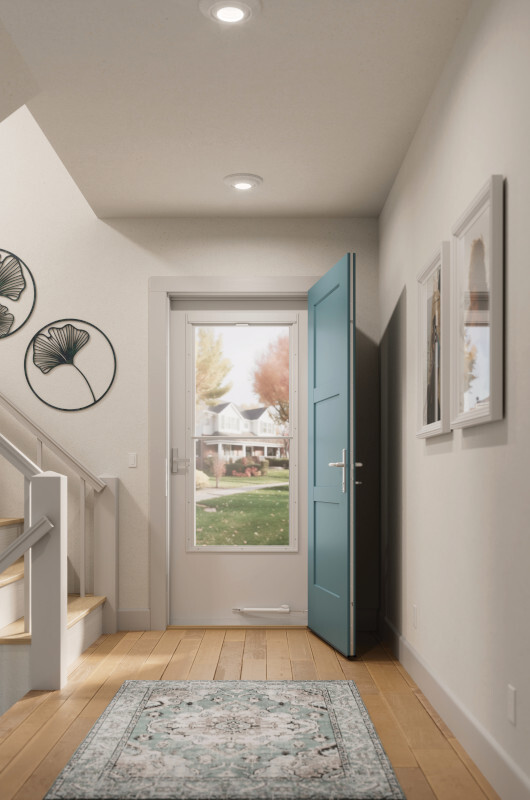
The Southwest presents unique challenges, including intense sunlight, heat, and dry conditions. Homeowners often seek entry doors that maintain their appearance despite prolonged UV exposure.
Popular Southwestern door characteristics include:
Fiberglass entry doors perform particularly well in this environment because they resist warping, cracking, and splitting while maintaining their finish over time.
Many homeowners also choose doors with woodgrain textures that complement the warm, natural aesthetic commonly found throughout Southwestern architecture.
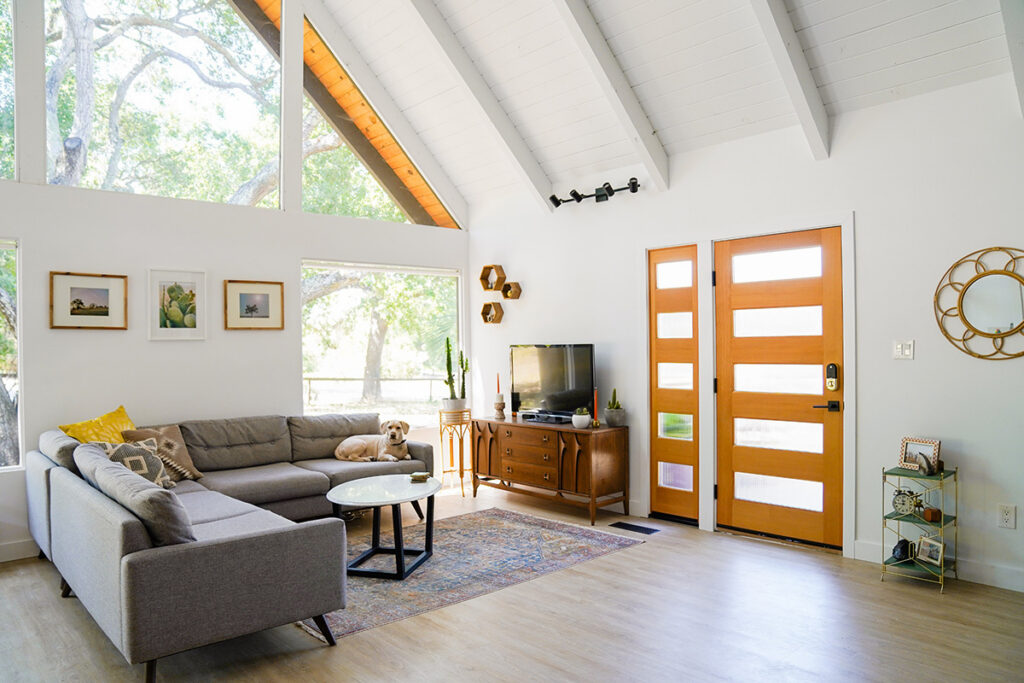
Modern architecture and indoor-outdoor living continue to shape design preferences across much of the West Coast. Homeowners often prioritize natural light, minimalist styling, and clean architectural lines.
Common features include:
Many West Coast homeowners favor entry doors that blur the line between interior and exterior spaces. Glass-rich designs help maximize daylight while contributing to a modern aesthetic.
As contemporary home construction continues to grow, demand for minimalist door designs remains strong throughout the region.
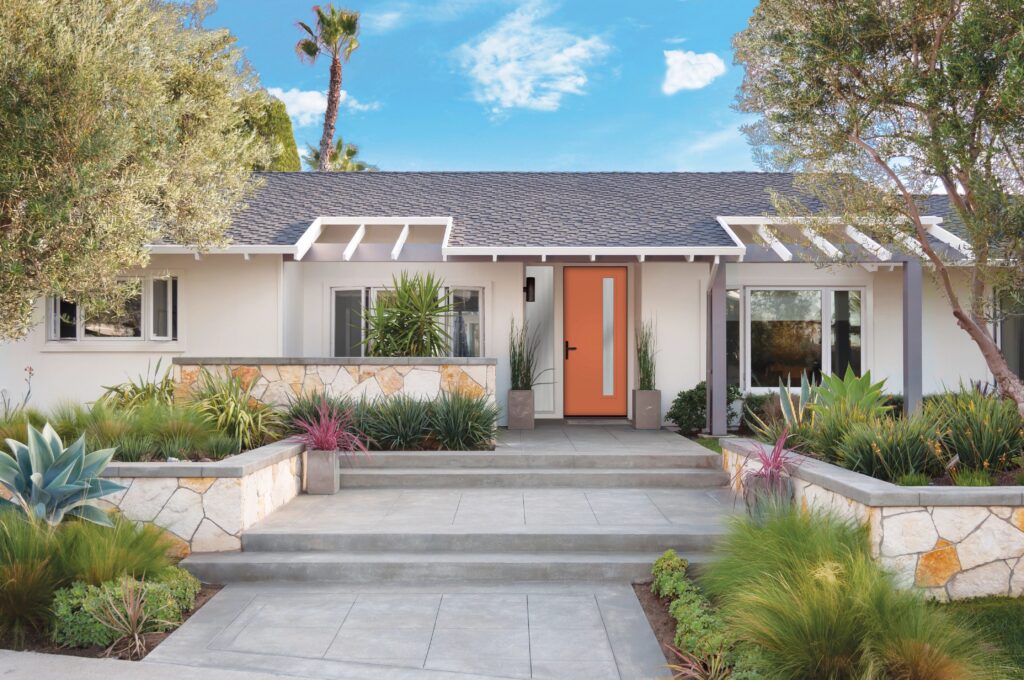
The Northeast is known for its historic architecture, seasonal weather changes, and long winters. Homeowners often seek entry doors that preserve architectural character while providing year-round performance.
Popular choices include:
Traditional entry doors are especially common in Colonial, Cape Cod, and Victorian-style homes throughout the region. Their classic panel configurations complement historic architecture while delivering timeless curb appeal.
Fiberglass entry doors have also gained popularity because they provide excellent insulation, low maintenance requirements, and realistic wood-look finishes that fit seamlessly within traditional home designs.
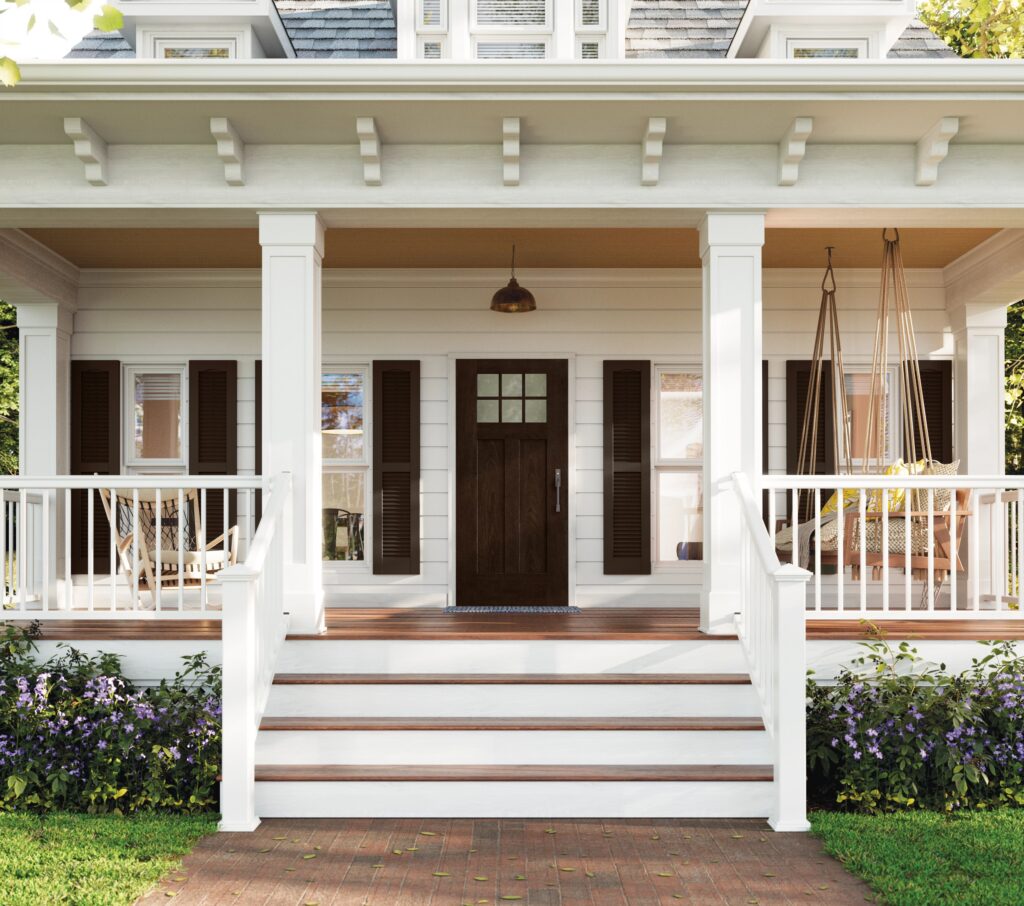
Across nearly every region, fiberglass entry doors continue to gain market share. Homeowners appreciate several key benefits:
As fiberglass manufacturing technology continues to improve, many homeowners find it difficult to distinguish premium fiberglass doors from real wood.
Decorative glass continues to be one of the most requested features in entry doors nationwide.
Benefits include:
Available in a wide variety of styles and patterns, decorative glass allows homeowners to personalize their entryway while maintaining desired privacy levels.
Performance expectations continue to rise regardless of region.
Many homeowners now prioritize:
These features help homeowners maximize comfort, safety, and long-term value.
No matter where they live, homeowners want entry doors that complement their home’s architecture.
Design elements such as:
all contribute to the overall appearance of the home and can significantly influence curb appeal.
At the same time, performance remains a critical factor.
Climate conditions often impact material selection, insulation requirements, and desired features. Whether choosing impact-rated doors for coastal regions or fiberglass entry doors for improved durability, homeowners increasingly seek products that offer both beauty and functionality.
While entry door preferences vary across the country, homeowners share a common goal: finding a door that balances style, performance, and long-term value.
From craftsman entry doors in the Midwest and traditional entry doors in the Northeast to impact-rated fiberglass entry doors along the Southeast coast, regional trends continue to shape purchasing decisions. Understanding these preferences can help homeowners, builders, and dealers select entry doors that complement local architecture while meeting the performance demands of their environment.
While preferences vary by region, fiberglass entry doors have become one of the most popular options nationwide due to their durability, energy efficiency, low maintenance requirements, and realistic woodgrain appearance.
Fiberglass entry doors resist moisture, humidity, warping, and temperature fluctuations, making them well-suited for coastal environments. Many homeowners also choose impact-rated fiberglass doors for added protection against hurricanes and severe weather.
Craftsman and traditional entry doors are among the most popular styles in the Midwest. Homeowners often pair these designs with decorative glass and storm doors to improve energy efficiency and weather protection.
Climate plays a major role in door selection. Homeowners often choose doors with features designed for their local environment, such as impact-rated construction in coastal regions, storm doors in colder climates, and UV-resistant materials in hot, sunny areas.
Yes. Decorative glass remains one of the most requested entry door features because it enhances curb appeal, increases natural light, offers privacy options, and allows homeowners to customize the appearance of their entryway.