
Menu
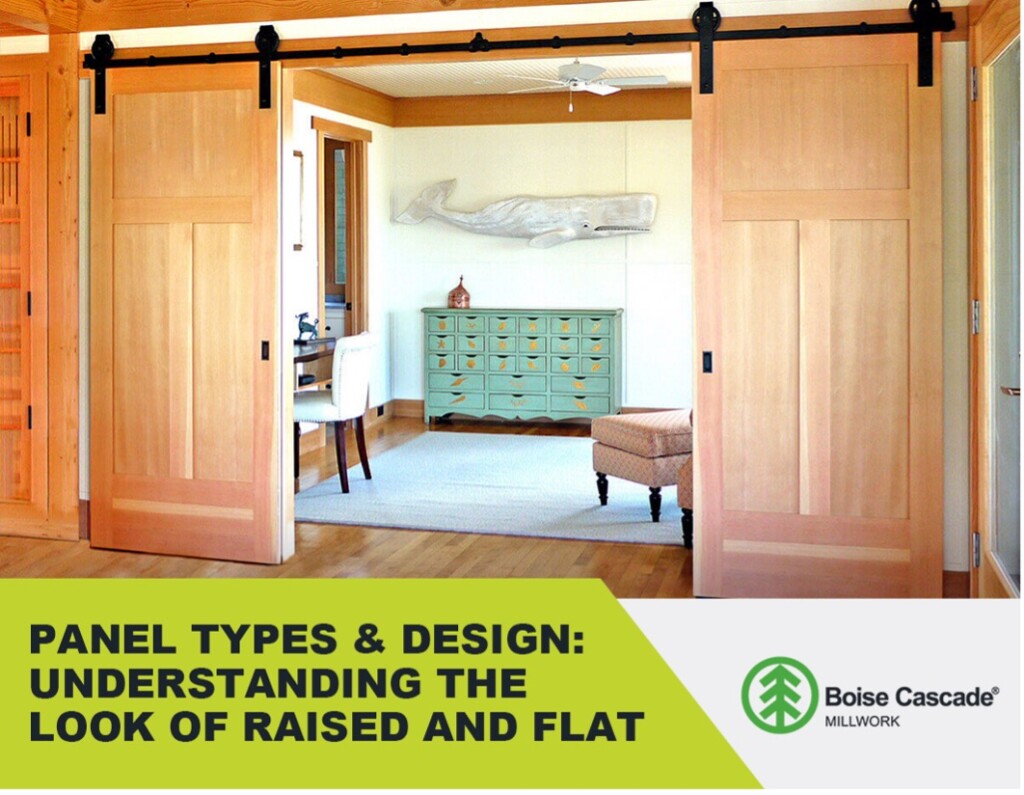
The doors you choose are one of the most prominent design features of your home, setting the tone for both your exterior curb appeal and your interior style. Yet, within the selection process, one critical element often dictates the overall aesthetic: the door panel. The style you choose whether it’s a traditional raised panel or a modern flat panel, significantly influences the perceived age and architectural consistency of your home.
Understanding these subtle yet powerful differences is key to making a confident design decision. Fortunately, Boise Cascade Millwork offers a wide variety of door options to perfectly suit every home style.
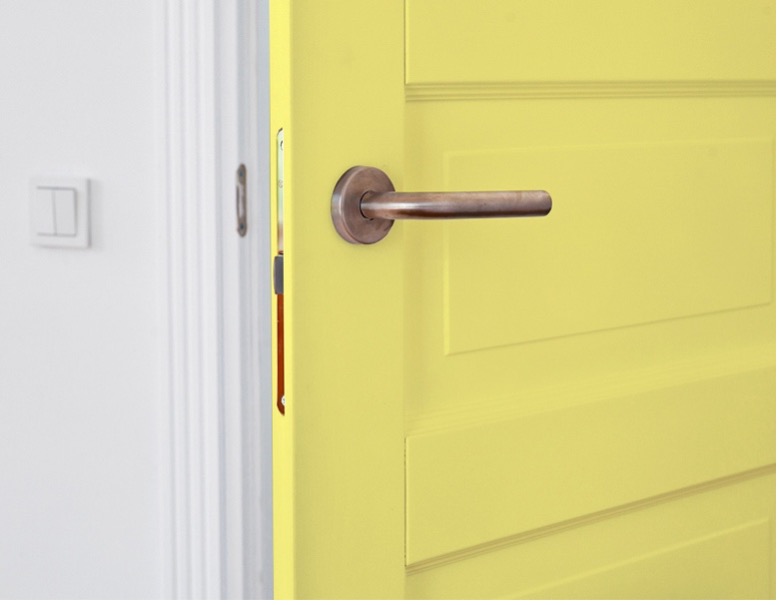
At its core, a door panel is a distinct section of the door that is framed by stiles (vertical pieces) and rails (horizontal pieces). Panels are essential to a door’s construction, as they add structure and depth. Beyond this functional role, the panel’s design is the primary element that gives a door its unique visual character.
The most recognizable and traditional panel style is the raised panel. In this design, the central section of the panel is elevated above the surrounding frame, typically finished with a subtle beveling or an elegant contour. This elevation creates deep shadows and dramatic dimension, making the door appear robust and classic.
The depth created by the raised panel gives a weighty, established feel to an entrance, instantly communicating tradition.
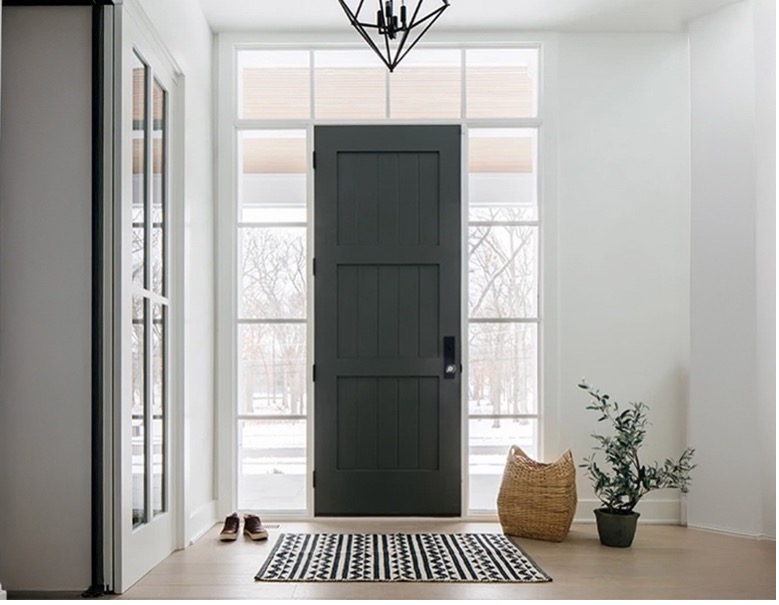
In contrast to the raised design, a flat panel is both smooth and recessed. The defining feature of this style is its commitment to clean lines. The simplicity means the panel sits slightly below the surrounding frame, often without any significant beveling or contouring.
Flat panels are the go-to choice for homeowners seeking a door that complements a sleek, uncluttered aesthetic. They allow other elements, like unique hardware or paint color to take center stage.
The choice isn’t strictly limited to fully raised or fully flat; there are many beautiful hybrid and decorative options that offer a middle ground or a unique visual flair.
One of the most popular is the Shaker panel. The Shaker style is technically a flat panel, but it features a very subtle, framed edge around the flat inset. This design delivers a timeless look that is incredibly versatile, fitting seamlessly into both traditional and modern homes.
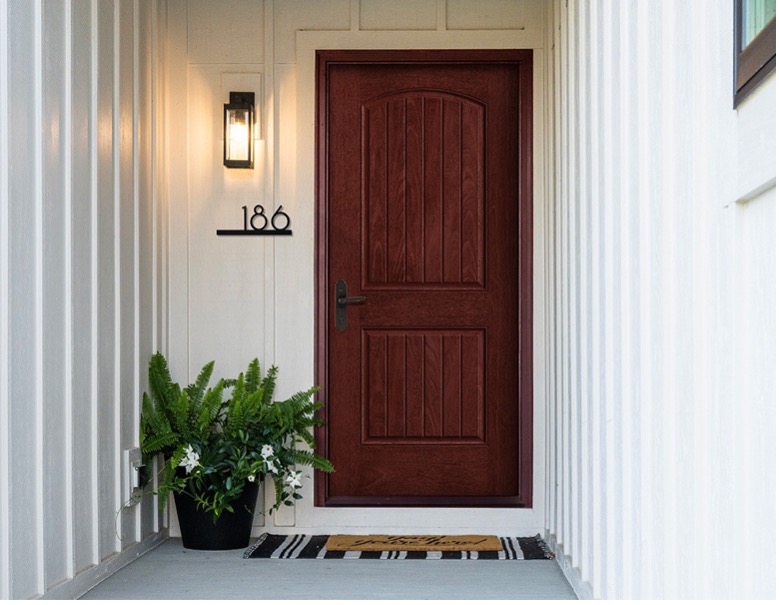
Selecting the perfect panel comes down to matching the door’s style with the architectural elements already present in your home.
Making this decision can be easier with professional guidance. We highly recommend visiting a Boise Cascade Millwork dealer. They can provide design advice and show you samples of how different panel styles look and feel in person.
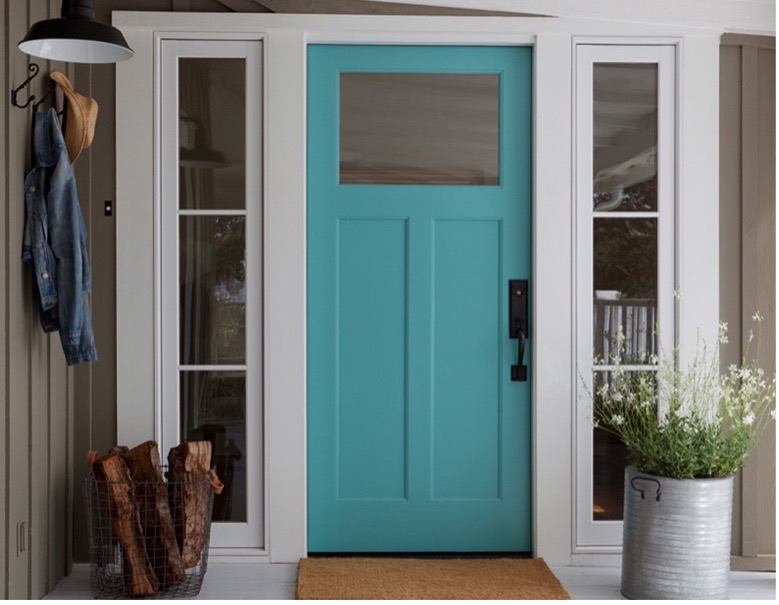
The subtle difference between a raised and a flat panel can completely transform the look and feel of your door and your entire home. Whether you’re aiming for the enduring elegance of a classic design or the sophisticated simplicity of a modern aesthetic, the panel is your most important design tool.
Explore our full line of exterior and interior door designs through your Boise Cascade Millwork dealer.
A raised panel has an elevated center for added depth and dimension, while a flat panel is smooth and recessed, emphasizing clean lines and simplicity.
Yes. Raised panel doors are commonly associated with traditional architectural styles like Colonial and Craftsman homes.
No. Flat panels are versatile and work well in Contemporary, Modern Farmhouse, and Transitional designs.
A Shaker panel is a flat panel door with a subtle framed edge, offering a timeless style that bridges traditional and modern design.
Consider your home’s architecture, hardware finishes, and how natural light interacts with the door to determine which panel style fits best.