Menu
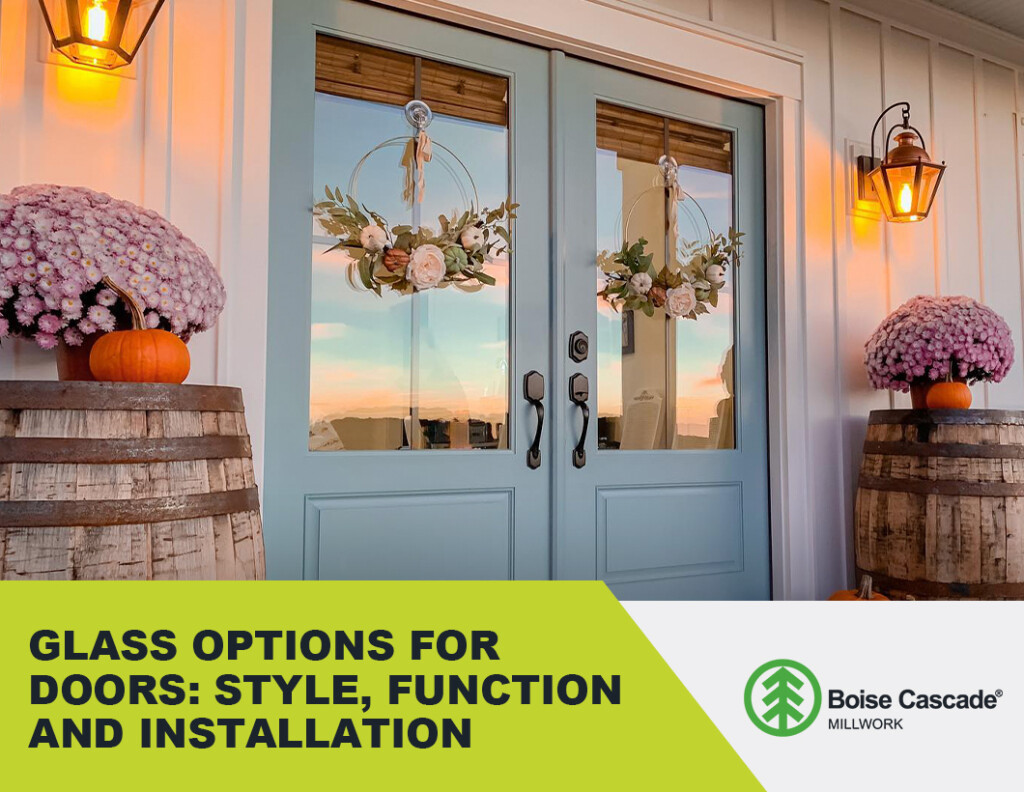
As a dealer, you know that a door is far more than an entry point, it’s a critical design element, a weather barrier, and a statement of quality. When you sell a Boise Cascade Millwork door, you’re offering an exceptional product. But to truly maximize your sales and simplify your projects, you need to understand and effectively communicate the most powerful component of that door: the glass.
The right glass transforms a standard door into a source of natural light, enhanced security, and superior energy performance. This guide breaks down the focus areas and key words that will help you position yourself as the ultimate resource for architects, builders, and designers.
Success comes from understanding how glass shapes light, space, and style. Mastering its impact allows you to specify solutions that elevate design without compromising functionality.
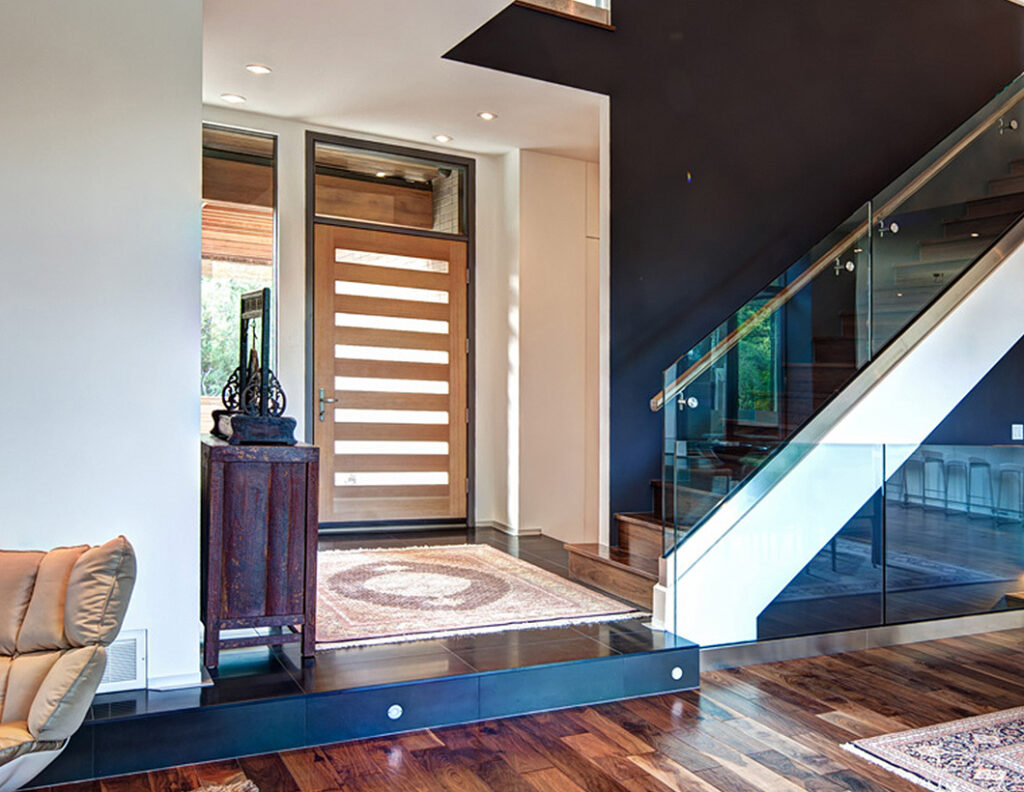
In commercial, multi-family, and high-end residential projects, glass must comply with rigorous performance, safety, and building code requirements. Your knowledge of these technical specifications and safety standards establishes you as a trusted authority and provides a decisive edge in specifying the right solutions.
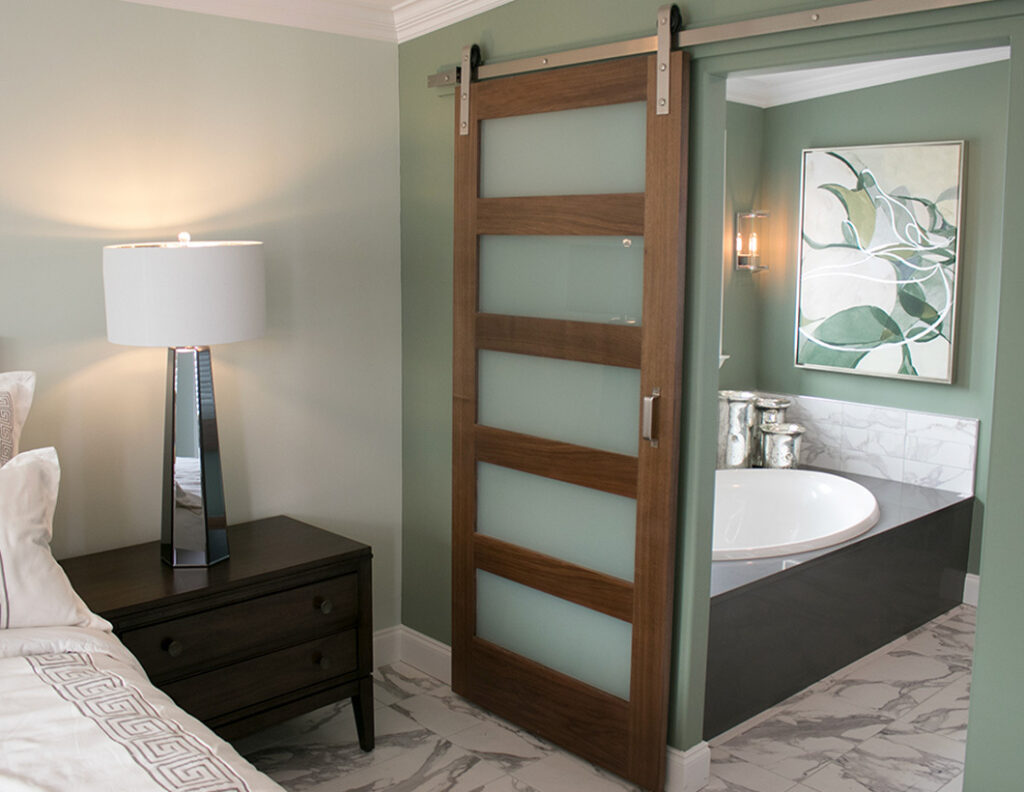
For dealers, offering a product that installs smoothly and on schedule strengthens your value to builders and contractors and makes it easier to close the specification.
Promote the benefits of factory-installed glass over field-installed:
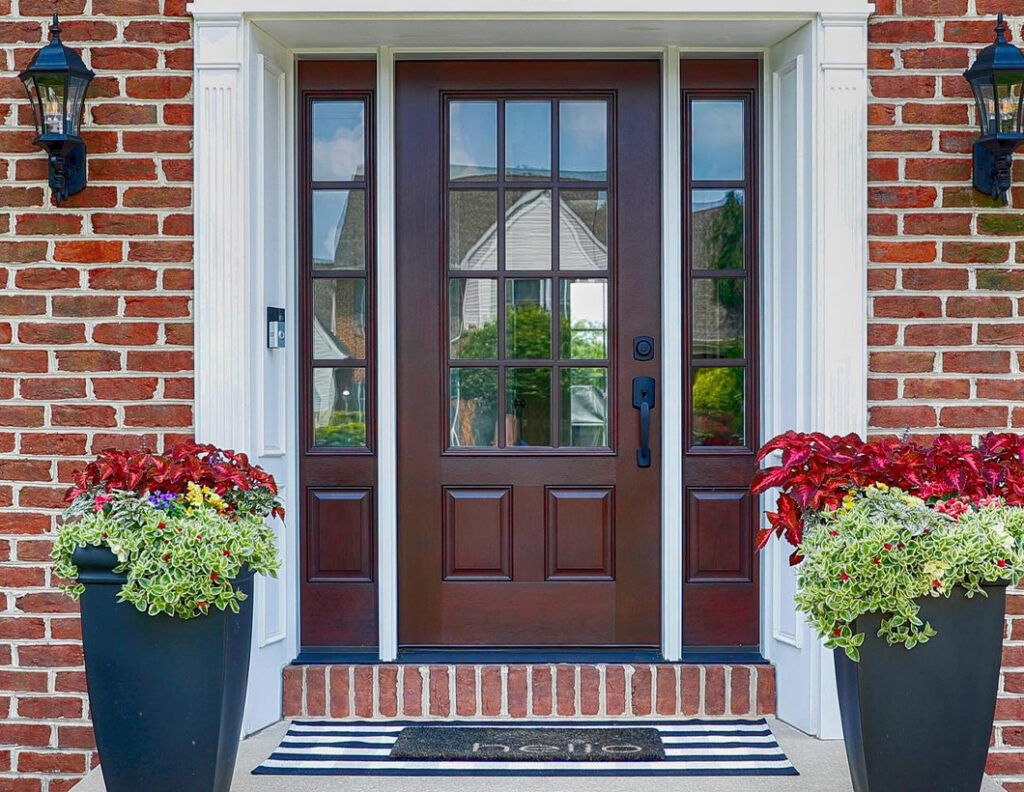
Pairing factory-installed glass with a pre-finished door creates a complete solution that reduces job-site clutter and labor costs.
Guide clients through door and glass options to offer tailored solutions rather than overwhelm. Focus on selecting glass that balances aesthetic appeal with functionality and budget.
By mastering this language and focusing on the tangible benefits of style, security, and installation efficiency, you transform a sales transaction into a strategic partnership, cementing your position as the premier dealer of high-quality Boise Cascade Millwork doors in your market.
Start by asking open-ended questions to identify the customer’s primary need. Instead of listing features, ask: “What is the main goal you’re hoping to achieve with this project—is it updating the look of your home, improving your peace of mind, or maximizing your energy efficiency?” This helps you immediately prioritize which of the three pillars (Style, Security, or Savings) to lead with.
Justify the price by shifting the conversation from cost to investment and emotional value. Frame the aesthetic choice as a long-term investment that increases the home’s perceived value and, more importantly, enhances their daily enjoyment. Use the “Vision of Light and Privacy” to sell the feeling—the curated, comfortable, and beautiful environment they gain.
Use a bridging statement that connects the emotional benefit of beauty to the practical benefit of protection. For example: “The beauty of this design is that it’s also incredibly functional. Speaking of function, how important is privacy and light control in these rooms?” This smoothly moves the conversation to the security focus area (which often includes privacy).
Yes, always mention them, but prioritize and emphasize the one or two that directly address the customer’s stated needs. Use the other two as supporting benefits. For instance, if a customer only mentions design, say: “This beautiful option also happens to be one of our top performers for security and energy savings.” This provides layered value without distracting from their main interest.
The full guide will detail these points in Focus 2 (Security) and Focus 3 (Savings). Look for specific bullet points on durability, warranty, energy-efficiency data ($/year saved), privacy features, and smart-home integration in those respective sections. This guide is designed to provide those specific talking points.