
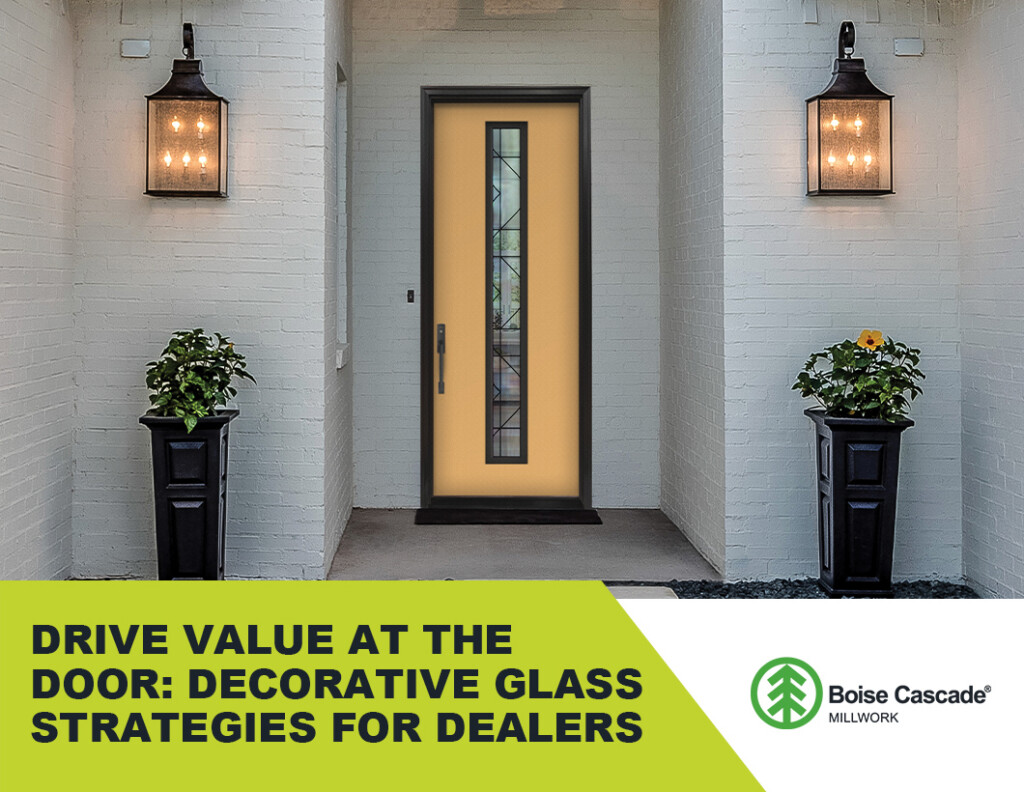
In the competitive world of home improvement and millwork, standing out requires more than just providing a functional product; it requires offering a vision. For dealers, decorative glass represents a high-impact opportunity to differentiate door offerings and move the needle on both customer satisfaction and profitability. Instead of focusing solely on the structural components of an entry system, savvy dealers use glass to spark deeper conversations around design, performance, and strategic upgrades.
Shifting the focus to decorative glass isn’t just about aesthetics – it’s a calculated business move. When you integrate glass options into your sales process, you realize several key benefits:
To guide your customers effectively, you must be able to explain the specific benefits of different glass types. Each option serves a unique purpose in the home:
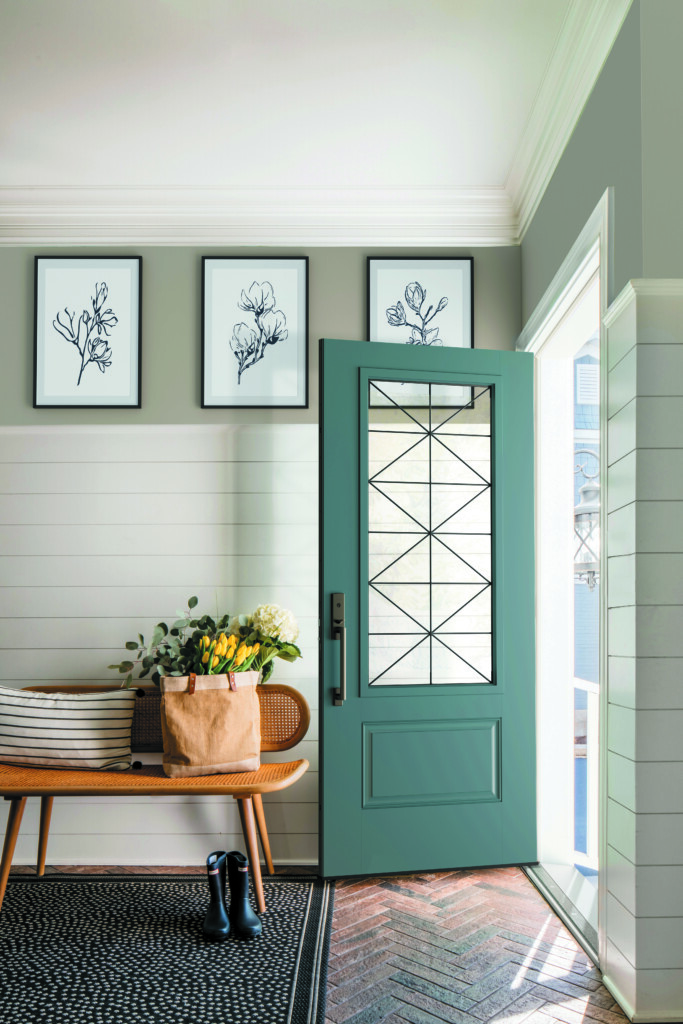
A dealer’s value lies in their ability to troubleshoot a customer’s needs before the door is even ordered. When making recommendations, keep these four factors at the forefront:
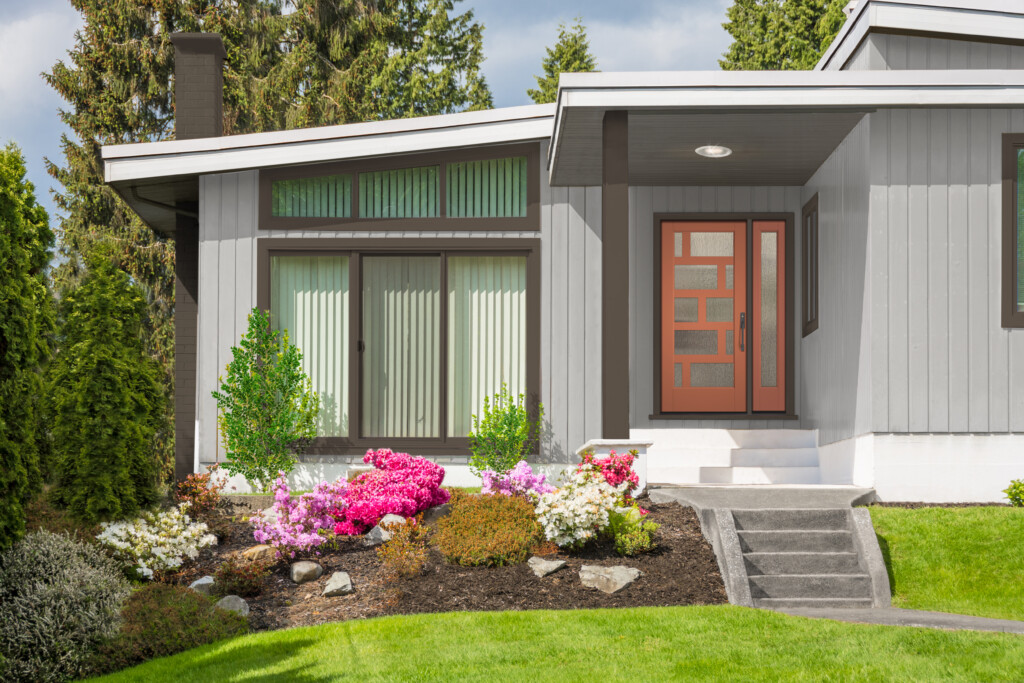
Turning product knowledge into sales requires a strategic approach to the customer experience. Here is how you can leverage decorative glass effectively:

Decorative glass is more than an accessory; it is a powerful tool that allows dealers to elevate their offerings and increase the total ticket size. By mastering these strategies, you can deliver a more tailored, professional customer experience that transforms a simple entry point into a stunning focal point.
Decorative glass refers to glass inserts with patterns, textures, or caming that enhance the visual appeal and functionality of entry doors.
It boosts perceived value by improving aesthetics, natural light, and customization, allowing dealers to upsell higher-end door solutions.
Common options include clear glass, privacy glass, textured glass, and decorative glass with caming for added design detail.
Yes. Modern insulated glass units are designed to meet energy performance standards while maintaining durability and long-term performance.
Dealers can use showroom displays, sample kits, and tiered pricing strategies to help customers visualize upgrades and make confident decisions.